Comparing Sauna Heat Types: Which One Is Right for Your Home?
After years of helping friends and neighbors sort through sauna options, I have learned one thing for certain: the heat source matters more than almost any other decision. You can pick a pretty cabin sauna or a sleek barrel sauna, but if the heat does not match how you want to sweat, you will end up disappointed. That is why understanding the main sauna heat types is so important before you spend a dime.
I remember my first sauna experience in a friend's backyard. It was a wood-burning sauna stove, and the heat felt alive, almost breathing. That is a sensation you cannot get from an electric heater or infrared panels. But not everyone wants to split firewood or wait an hour for the room to warm up. The right choice depends on your space, your budget, and what you actually enjoy.
Traditional Finnish Sauna: The Gold Standard
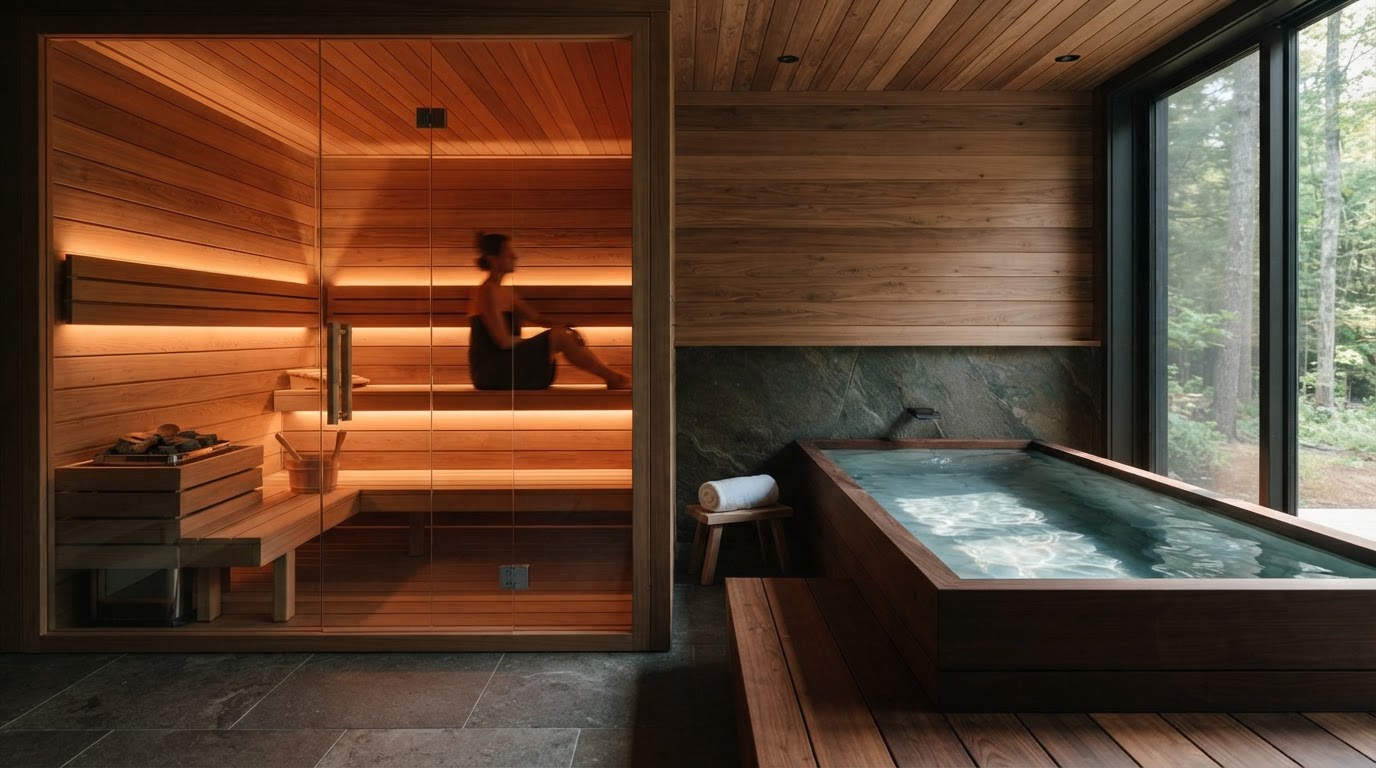
When most people picture a sauna, they imagine a hot room with rocks on a heater and steam rising when water hits them. That is the Finnish sauna. It relies on either an electric sauna heater or a wood-burning sauna stove to heat a pile of sauna stones. The stones store the heat and release it steadily. You control the humidity by throwing water on the stones, which creates a burst of steam called löyly. That steam carries heat deep into your skin and lungs, and it feels completely different from dry heat.
I have owned both types over the years, and I can tell you the wood-burning version demands more work. You need a chimney, a source of dry firewood, and the patience to build and tend a fire. But the reward is a heat that feels more organic, with gentle temperature swings as the fire breathes. Electric sauna heaters, on the other hand, are almost effortless. Flip a switch, set the timer, and in about thirty to forty minutes the room is ready. Brands like Harvia, Tylo, and Amerec make reliable electric units that fit most home setups. The trade-off is that the heat can feel a little more uniform and less dramatic than wood heat.
One practical detail people often overlook is ceiling height. A traditional Finnish sauna needs enough vertical space for the heat to stratify properly. If your ceiling is too low, the hot air sits right at head level and the floor stays cool. That can be uncomfortable. Most cabin saunas and barrel saunas are designed with this in mind, but if you are building a custom room, aim for at least seven feet. Ventilation also matters a lot. Without good airflow, the heat feels stale and the löyly does not spread evenly. I always install a lower intake vent near the heater and an upper exhaust vent on the opposite wall.
Infrared Saunas: A Different Kind of Heat
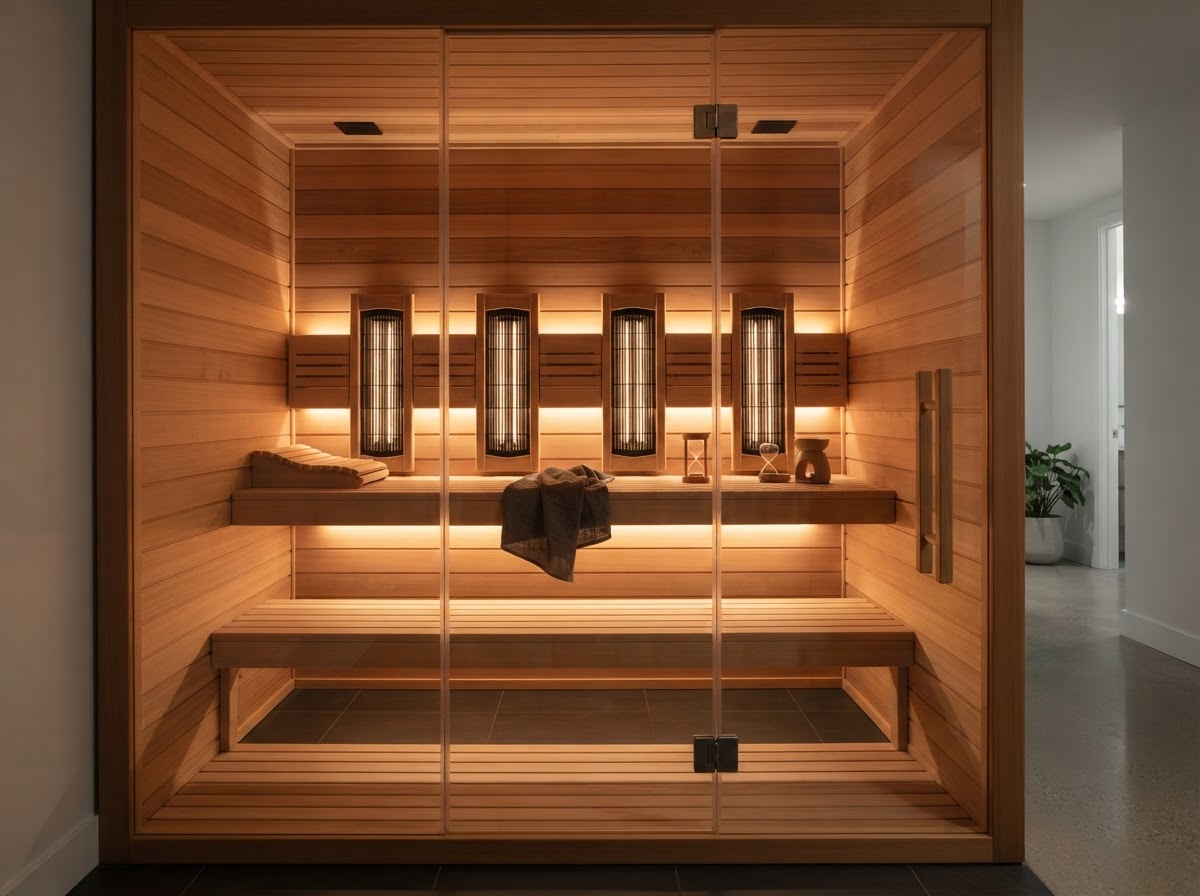
Infrared saunas have become very popular in the last decade, and they work on a completely different principle. Instead of heating the air, infrared sauna panels emit radiant energy that warms your body directly. The air temperature stays much lower, usually between 120 and 140 degrees Fahrenheit, while a traditional sauna runs from 170 to 200 degrees. That makes infrared more tolerable for people who find conventional heat too intense.
There are several subtypes within the broad category of sauna heat types. Far infrared is the most common in home units. It penetrates about an inch and a half into the body, which feels soothing and can help with muscle recovery. Near infrared works at a shorter wavelength and heats the surface of the skin more quickly, similar to standing in sunlight. Some manufacturers now sell low EMF infrared heaters, which reduce the electromagnetic field emitted by the panels. I have tested a few of those, and while the difference is subtle, people who are sensitive to EMF often prefer them. Combo units that mix near and far infrared are also available, but I find they rarely outperform a well-designed single-type heater.
Infrared saunas are easier to install because they typically plug into a standard wall outlet and do not require special wiring or ventilation. They also warm up in ten to fifteen minutes, which is a big advantage if you have a busy schedule. On the downside, the heat does not produce the same enveloping steam effect that Finnish sauna lovers crave. You do not get löyly, and the experience can feel a bit dry. For someone who wants gentle heat for relaxation rather than intense sweating, infrared is a solid choice.
Steam Saunas and Hybrid Options
A steam sauna, sometimes called a steam bath, uses a generator to fill the room with moist heat. The temperature stays lower, around 110 to 120 degrees, but the humidity hits nearly 100 percent. This is a very different sensation from a Finnish sauna. The steam feels thick and heavy on the skin, and it can be great for your respiratory system. But the room needs to be completely sealed, usually with tile or acrylic surfaces, to prevent moisture damage. That makes steam saunas more expensive to build and maintain than a typical cabin sauna.
There are also combo sauna heaters that combine an electric heater with a steam generator. These give you the flexibility to run a dry or wet session. I have used a few of them in commercial gyms, and they work well if you want variety. However, they take up more space and cost more than a standard electric heater. For most homeowners, I recommend sticking with one primary heat source unless you have a dedicated wet room.
How to Choose Between the Heat Types
If you are still unsure which path to take, think about your daily habits and your home layout. Do you enjoy a ritual that involves building a fire and waiting for the heat to build? A wood-burning sauna stove gives you that connection to the process. Do you prefer convenience and consistency? An electric sauna heater from a brand like Harvia or Tylo will serve you well with minimal fuss. Are you mainly interested in gentle warmth for recovery and relaxation? Infrared sauna panels, especially far infrared or low EMF models, might be the best fit.
I also recommend buying a good thermometer and hygrometer to monitor conditions inside the sauna. No matter which heat type you choose, knowing the temperature and humidity helps you dial in the experience. For traditional saunas, the hygrometer is especially useful when you throw water on the stones, because you can see how the humidity changes with each löyly.
Budget is another factor. Wood-burning stoves can be cheaper than electric heaters, but you have to factor in the cost of a chimney and firewood. Electric heaters cost more upfront but are cheaper to run if you have reasonable electricity rates. Infrared units are often the least expensive to install, especially if you buy a pre-built kit. Just remember that the room itself still needs to be well-insulated and properly ventilated, regardless of the heater type.
Final Thoughts
Comparing sauna heat types is not just about technical specifications. It is about matching the heat to the way you want to feel. I have spent many evenings in a wood-fired Finnish sauna, listening to the fire crackle and feeling the löyly wash over me. I have also sat quietly in an infrared cabin after a long run, letting the gentle heat ease my sore muscles. Both experiences are valuable, but they serve different moments. Take the time to visit a friend's sauna or a local showroom. Sit in each type for fifteen minutes. That will tell you more than any spec sheet can.
At the end of the day, the best sauna is the one you actually use. If the heat type you choose fits your lifestyle and your home, you will find yourself stepping into that room again and again. And that consistency is what turns a simple hot room into a lasting habit.